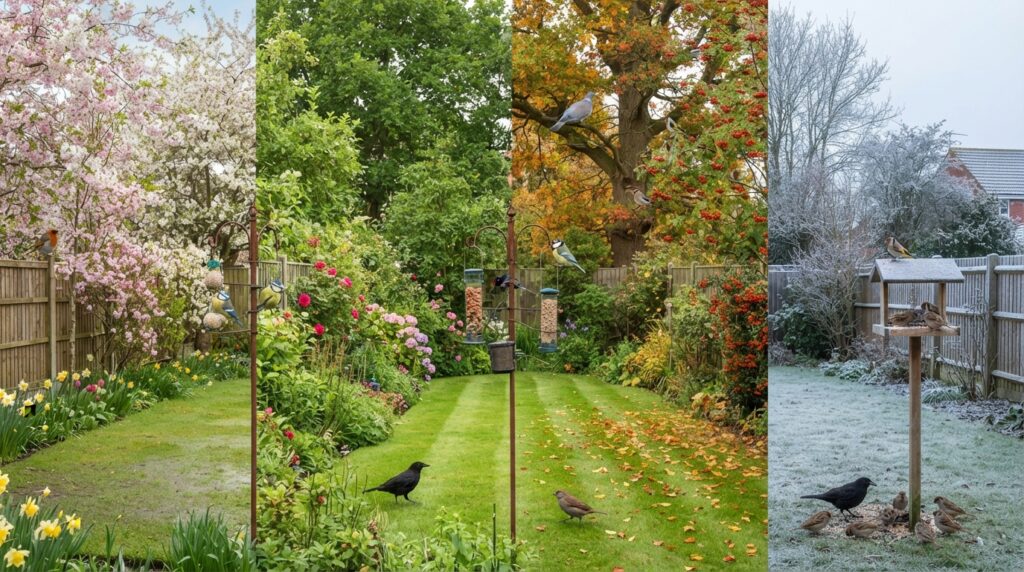
A Year-Round Bird Calendar for the UK Garden
The garden bird year has a rhythm. Seeds and peanuts run 1 November to 30 April and pause over summer; suet and mealworms are fine year-round. Nest boxes go up…
The garden bird year has a rhythm. Seeds and peanuts run 1 November to 30 April and pause over summer; suet and mealworms are fine year-round. Nest boxes go up…
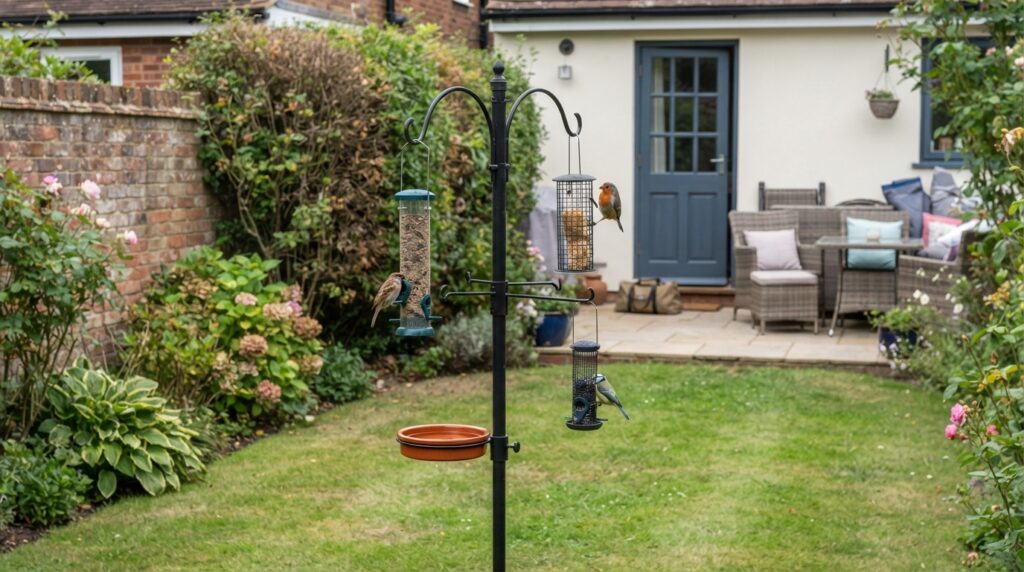
The birds will be fine. Garden feeding is supplementary and birds forage naturally throughout — they don’t become dependent and won’t starve because you went away. Don’t overfill the feeder…
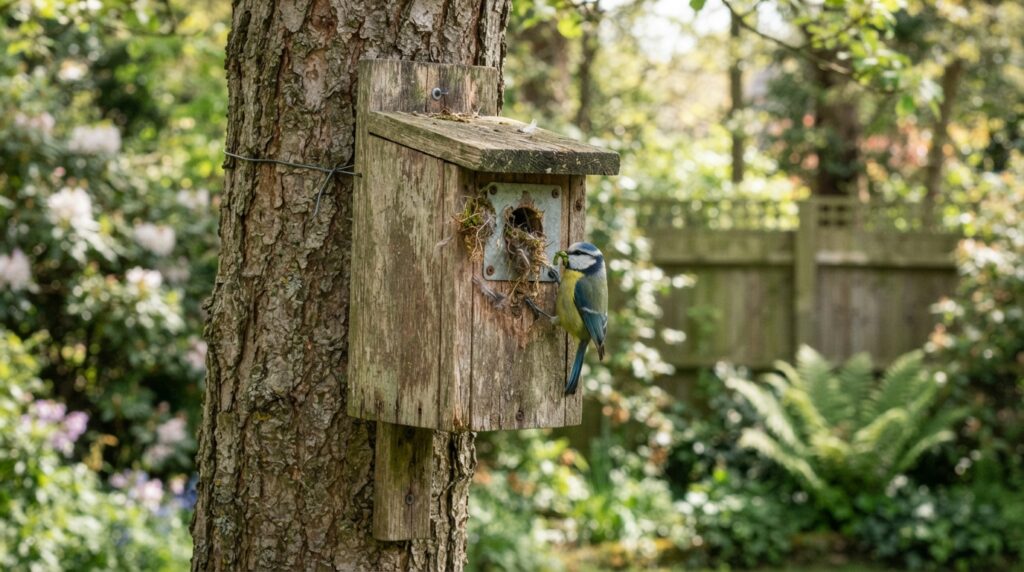
For blue tits and great tits: roughly two weeks of incubation, then about three weeks in the nest before fledging — so around five weeks from the last egg to…
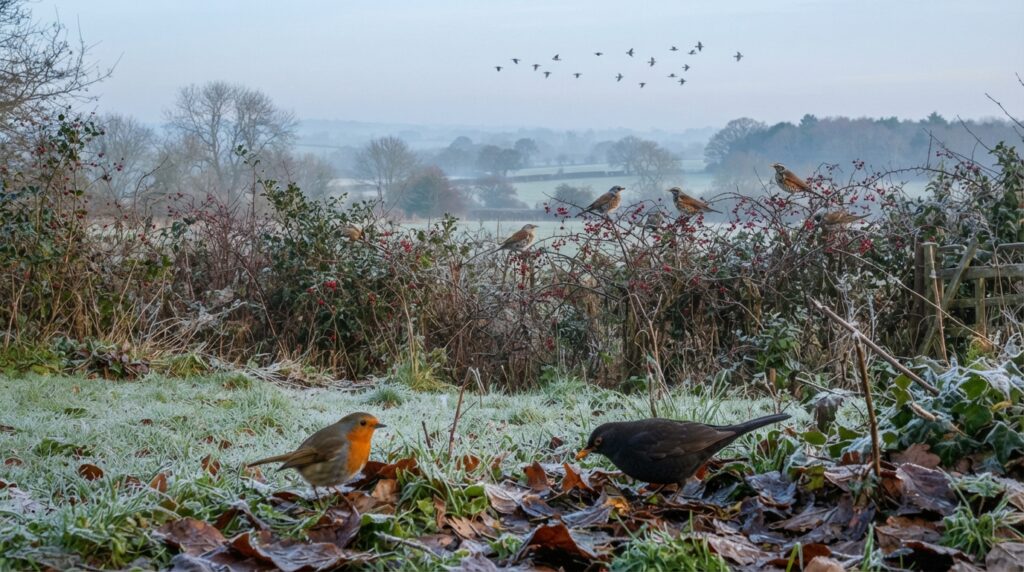
Most UK garden birds stay put all year — robins, blue tits, blackbirds, sparrows and wrens are resident. What leaves are the summer insect-eaters: swifts go first, often by early…
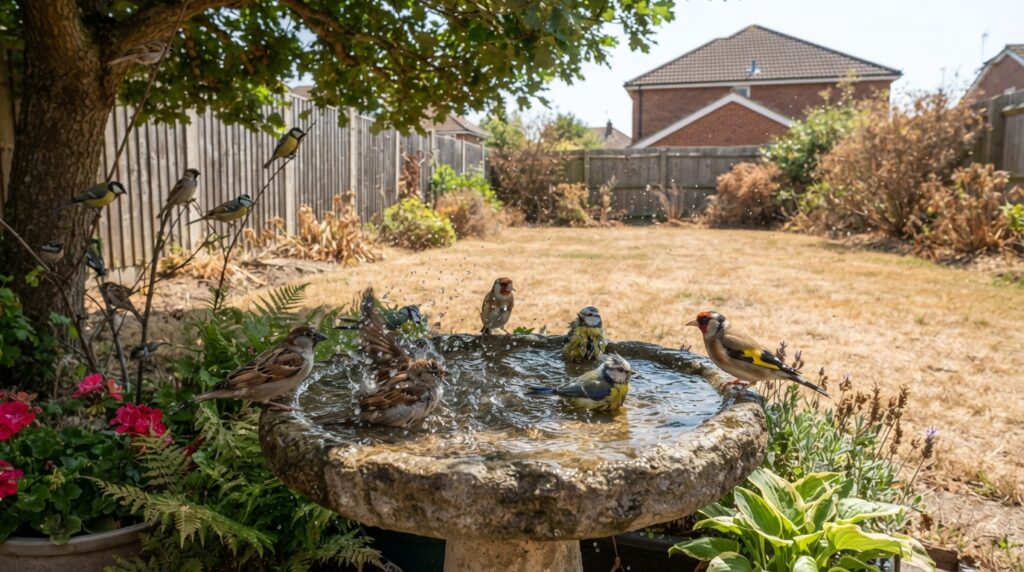
Water is the priority, not food. Put out several shallow dishes in shade, changed daily with fresh tap water. Soak a patch of lawn so blackbirds and thrushes can reach…
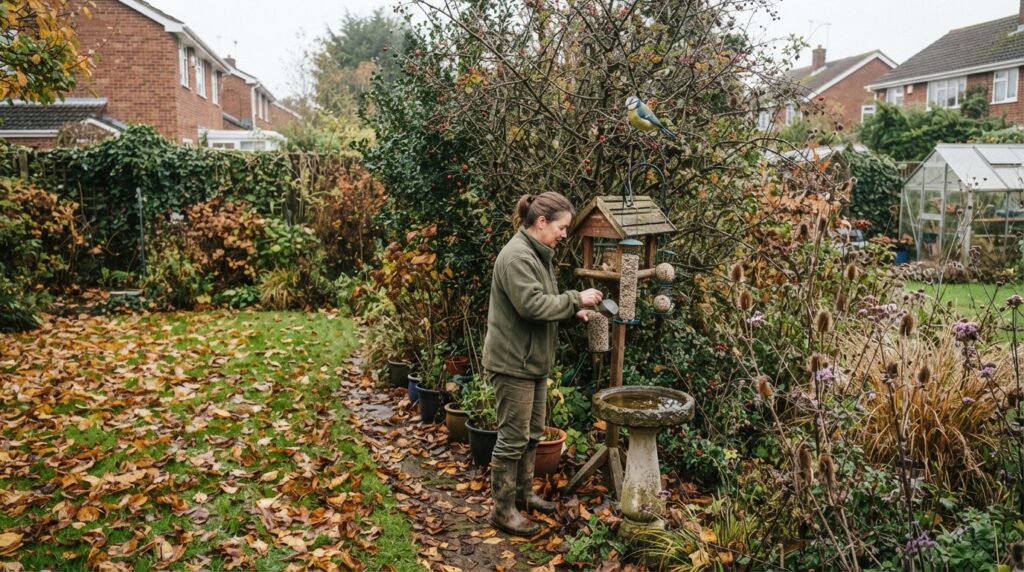
Autumn is preparation, not feeding. Use October to deep-clean every feeder, restock food, get nest boxes up, and resist tidying the borders. Seeds and peanuts go back out on 1…
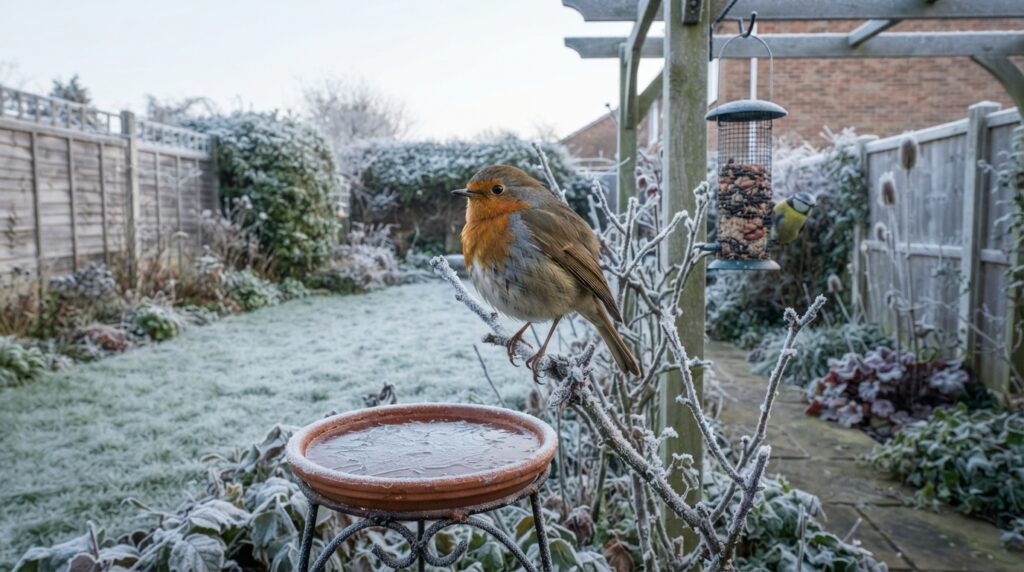
Two things matter most in a hard frost: high-fat food and unfrozen water. Put food out at first light and again mid-afternoon, offer suet and sunflower hearts, and keep a…
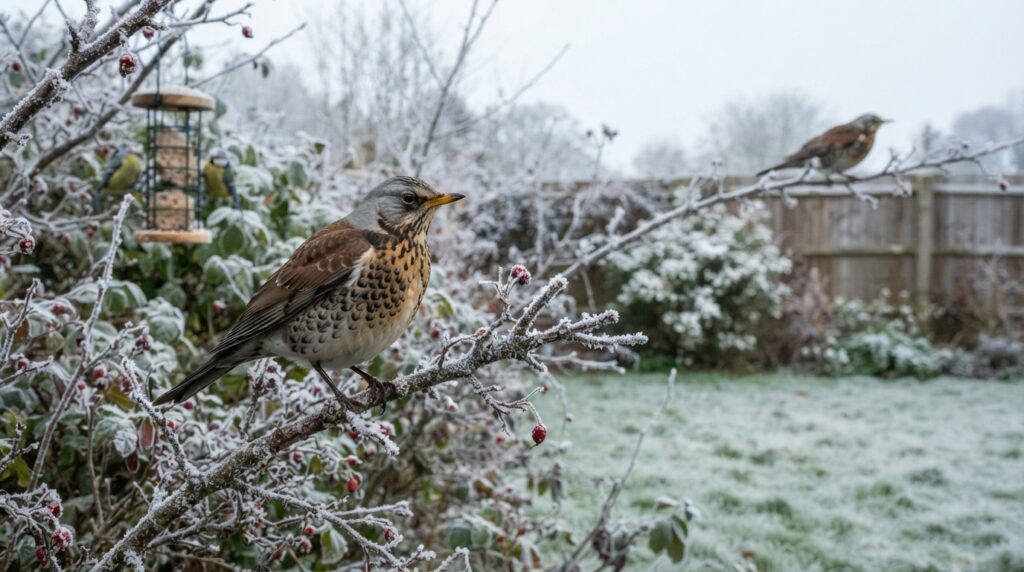
If an unfamiliar bird has turned up in your garden between October and March, the likely candidates are a redwing (thrush with a red flank patch and cream eye-stripe), a…
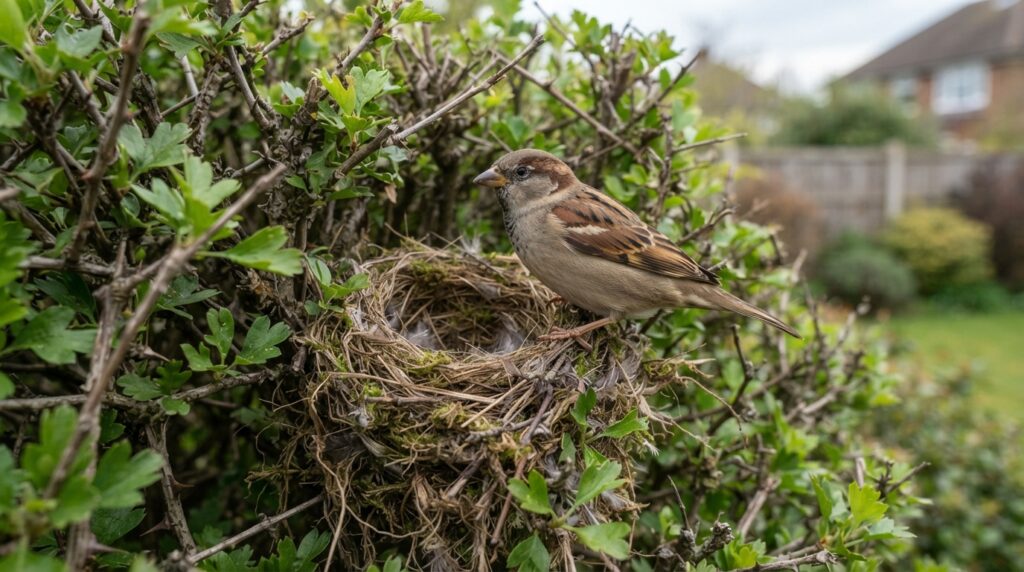
The main UK bird nesting season runs from March to August, though some species start earlier and a few continue into September. That range matters practically as well as biologically:…
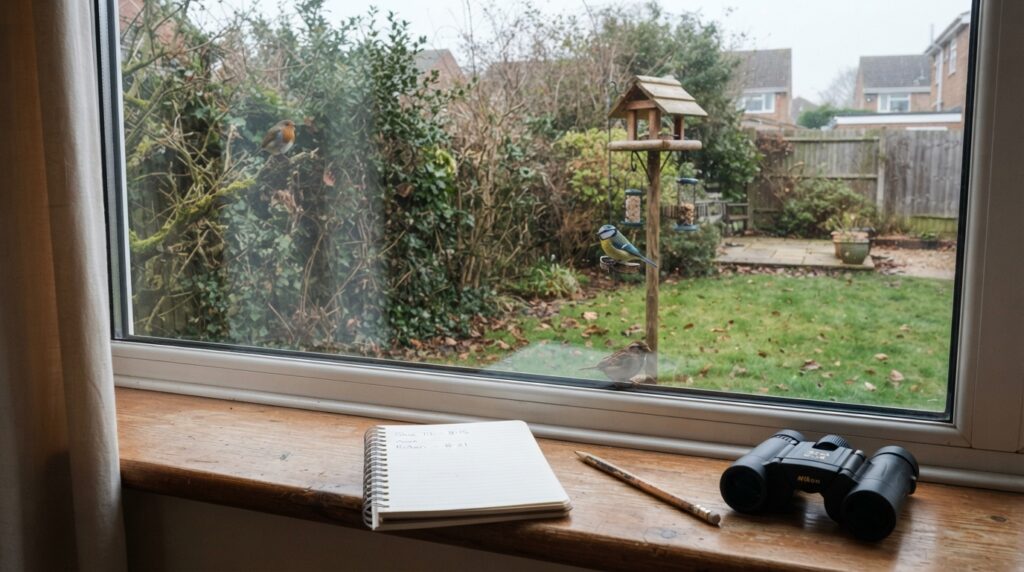
The RSPB’s Big Garden Birdwatch is the world’s largest garden wildlife survey. It takes one hour, it happens over the last weekend of January, and the most recent count drew…