Affiliate disclosure: some links on this page go to Amazon. If you buy through one we may earn a small commission, at no extra cost to you. We haven’t personally tested every feeder mentioned — where that’s the case we say so, and our assessment is based on design, specifications and how it compares to alternatives. Full disclosure.
Buying a bird feeder used to be simple. It isn’t quite so simple now, because the advice changed in 2026 and several popular types are no longer recommended.
This guide covers what to buy, what to avoid, and why — including the bird table question, which is the one that upsets people most.
The short version
- Best all-rounder: a hanging tube feeder with no tray, filled with sunflower hearts
- Best year-round option: a suet cage — suet stays approved through the summer pause
- Avoid: bird tables, window feeders, ground feeding stations, and trays beneath hanging feeders
- Must have: full dismantling for cleaning, without tools
- Never: fat balls in netting, or feeders with sharp edges or gaps
The rule that changed everything
In April 2026 the RSPB updated its feeding guidance following an evidence review with the BTO and the Institute of Zoology. One of the clearest recommendations to come out of it was this: stop using feeders with flat surfaces.
That means bird tables, window feeders, ground feeding stations — and the seed-catching trays fitted to the bottom of many hanging feeders.
The reasoning is specific rather than general caution. Birds with trichomonosis, a parasitic disease that has driven greenfinch numbers down by around two-thirds since 1979, have difficulty swallowing and regurgitate contaminated food. On a flat surface, that food sits in place, damp, alongside droppings — and healthy birds then pick it up. Research indicated that even daily cleaning doesn’t reliably prevent transmission, because it can happen between cleans.
The RSPB removed flat-surface feeders from sale in December 2024, ahead of the full guidance. The RHS announced it would stop selling summer bird seed mixes and peanuts.
You’ll still find bird tables widely on sale, and plenty of sites still cheerfully recommending them. We’re not going to, and we’d rather explain why than quietly leave them off the list.
The feeder types compared
| Type | Attracts | Fill with | Current status |
|---|---|---|---|
| Tube / seed feeder | Tits, finches, sparrows, siskins | Sunflower hearts, mixed seed | Recommended (no tray) |
| Peanut mesh feeder | Tits, greenfinches, woodpeckers, nuthatches | Whole peanuts | Recommended, Nov–Apr |
| Suet / fat ball cage | Tits, starlings, woodpeckers, long-tailed tits | Fat balls, suet blocks, suet pellets | Recommended, year-round |
| Nyjer feeder | Goldfinches, siskins, redpolls | Nyjer seed only | Recommended, Nov–Apr |
| Caged / squirrel-resistant | Small birds only (by design) | Seed or suet | Recommended |
| Bird table | — | — | No longer recommended |
| Window feeder | — | — | No longer recommended |
| Ground feeding station | — | — | No longer recommended |
Tube and seed feeders
The workhorse. A clear plastic or metal tube with feeding ports and perches, hung from a branch, bracket or pole.
Best for: Blue tits, great tits, coal tits, house sparrows, greenfinches, siskins.
What to look for:
- It must come apart completely, without tools. This is the single most important buying criterion now that weekly cleaning is the standard. A feeder you can’t clean properly is a feeder you’ll stop cleaning
- Metal ports rather than plastic if squirrels are a problem — they chew through plastic quickly
- No tray at the base. Many tube feeders come with one. Either buy without, or remove it
- Drainage holes so seed doesn’t sit in water
- Smooth port edges — sharp edges or narrow gaps can injure birds
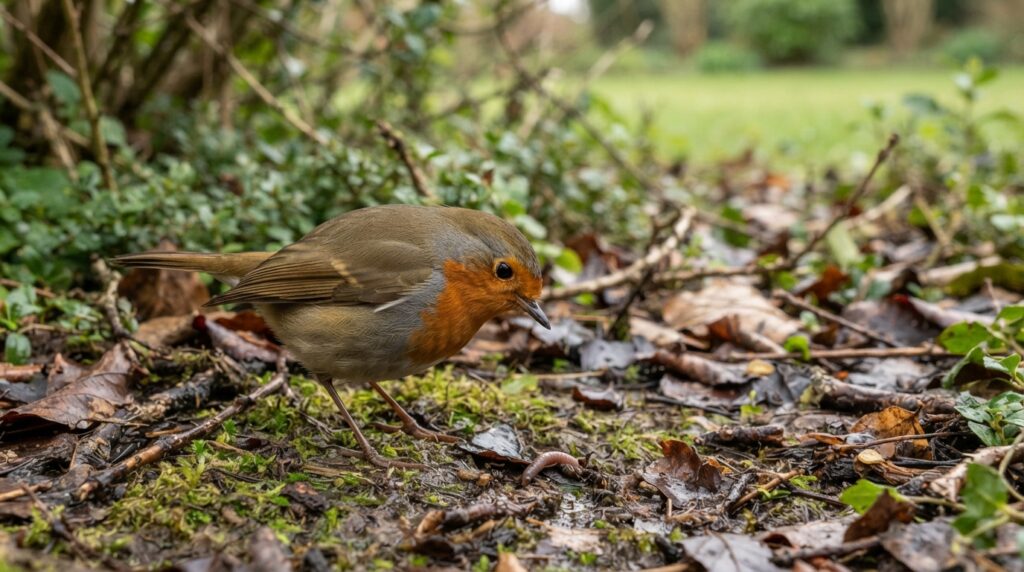
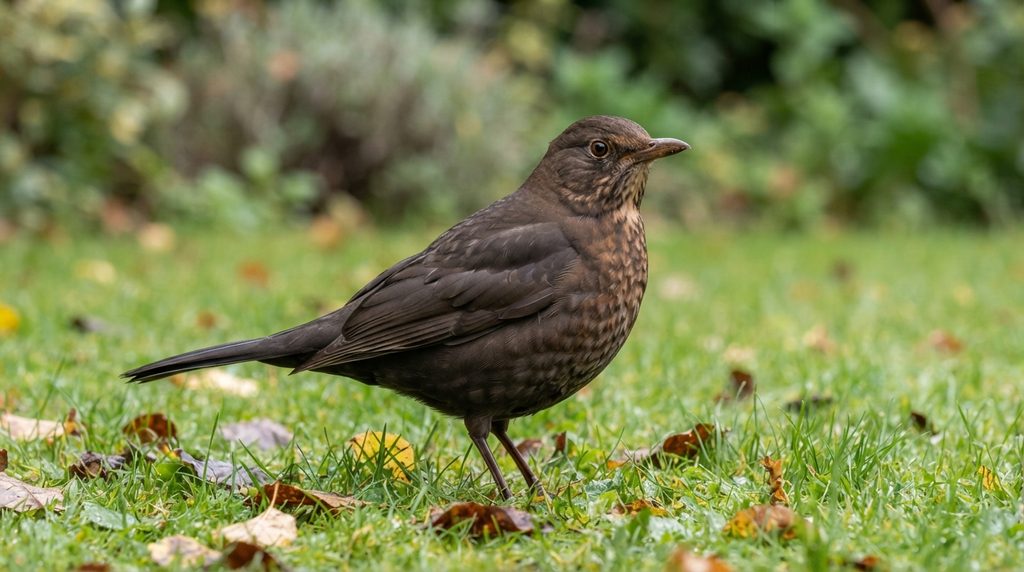
Limitations: Doesn’t suit ground-feeding birds like blackbirds, dunnocks and robins, which struggle to use hanging feeders.
A metal-ported tube feeder that fully dismantles
This is the design to buy if you’re buying one feeder. A clear tube lets you see the seed level, metal ports resist squirrel damage where plastic ones get chewed open within a season, and a body that comes apart into separate pieces without tools is what makes the weekly clean realistic rather than a job you keep putting off. Look for one sold without a base tray, or with a tray that unclips — flat surfaces where food collects are no longer recommended. Capacity is a trade-off rather than a virtue: a smaller tube that empties in a day or two suits current guidance better than a large one that sits half-full for a week.
- Suits the widest range of garden birds — tits, finches, sparrows and siskins all use them
- Metal ports last for years and resist squirrel and parakeet damage
- Dismantling fully is what makes weekly cleaning practical
- No use for ground-feeding birds — blackbirds, robins and dunnocks can’t cling to one
- Many models are sold with a base tray fitted, which you’ll need to remove
Peanut mesh feeders
A steel mesh tube. Birds peck fragments through the mesh rather than taking whole nuts.
Why the mesh matters: whole peanuts taken away intact can choke chicks if a parent bird carries one back to the nest. The mesh prevents this. This is why loose peanuts in an open dish are a genuinely bad idea.
Best for: Blue tits, great tits, greenfinches, nuthatches, great spotted woodpeckers.
Buy aflatoxin-free peanuts only. Poor-quality peanuts can carry aflatoxin, a fungal toxin that kills birds. Buy from a reputable bird food supplier, not the supermarket snack aisle. Never use salted or roasted nuts.
Seasonal note: peanuts fall under the seed-and-peanut pause between 1 May and 31 October.
Suet and fat ball cages
Arguably the most useful feeder to own right now, because suet stays approved all year while seeds and peanuts pause for six months.
Best for: Tits, starlings, long-tailed tits, woodpeckers, and — from suet fallen to the ground — robins and blackbirds.
Formats: fat balls in a cage, suet blocks in a square cage, or suet pellets in a standard seed feeder.
Never leave fat balls in their plastic netting. Birds regularly get beaks and feet caught in it, which can cause serious injury or death. Always remove the netting and use a proper cage feeder. The RSPB is explicit about this.
Hot weather: fat goes rancid quickly. In summer, put out smaller quantities and check more often.
A metal fat ball or suet cage
The most useful second feeder to own, because suet stays recommended all year while seeds and peanuts pause from 1 May to 31 October. A simple metal cage that opens along one side or lifts off at the top is easiest to refill and to scrub — suet leaves a greasy residue that goes rancid, so this one genuinely needs proper cleaning rather than a rinse. Check the mesh spacing: wide enough for a bird to peck through, tight enough that it can’t get its head inside. Buy fat balls loose and never leave them in plastic netting, which traps beaks and feet.
- Approved year-round, unlike seed and peanut feeders
- Draws tits, starlings, long-tailed tits and woodpeckers
- Fragments dropped below feed robins and blackbirds at ground level
- Greasy residue means it needs more scrubbing than a seed feeder
- Starlings can empty one quickly — a caged version helps if that’s a problem
Nyjer feeders
A specialist feeder for nyjer seed, which is tiny and pours straight out of a standard feeder.
Best for: Goldfinches especially, plus siskins and redpolls.
Worth knowing: nyjer is expensive and only appeals to a narrow group of species. Buy this feeder if you’re specifically after goldfinches, not as a general-purpose option. It’s also prone to clogging if damp — check it regularly.
Caged and squirrel-resistant feeders
A feeder inside an outer cage. The mesh admits small birds and excludes squirrels and larger birds.
Useful for: anyone with a serious squirrel problem, and anyone whose feeder is monopolised by starlings or pigeons.
Trade-off: the cage also excludes birds you might want, like great spotted woodpeckers. Mesh sizing is the thing to check — too tight and even blue tits struggle.
Detail in our squirrel guide.
What about ground-feeding birds?
Reasonable question, since blackbirds, robins, dunnocks and chaffinches all feed at ground level and hanging feeders don’t suit them.
The guidance is against ground feeding stations — permanent flat trays or tables at ground level where food accumulates. It isn’t saying blackbirds shouldn’t feed on the ground, which is what they do naturally.
The practical middle ground:
- Scatter small amounts directly on the ground, in different spots each time, in quantities that will be gone the same day
- Use a small shallow dish for mealworms, cleared away by dusk
- Accept that some spillage from hanging feeders will feed ground birds anyway
The principle is: don’t create a fixed flat surface where damp food and droppings build up.
How many feeders should you have?
More than one, spaced apart, is now explicitly better than one busy feeder. Spreading them reduces crowding and reduces mixing between species — both of which reduce transmission risk.
Two or three feeders in different parts of the garden, each with a different food type, is a sensible setup. It also gets you more species.
A practical bonus: owning two of the same feeder lets you rotate them, so one can dry fully after cleaning while the other is in use.
Matching feeder to garden
Small garden or balcony
One hanging tube feeder plus a suet cage, on a bracket or shepherd’s hook. Skip the pole system. Note that window feeders — often suggested for balconies — are no longer recommended.
Larger garden
A pole system with two or three feeders, positioned near but not against cover, with a baffle if squirrels are around.
Heavy squirrel pressure
Caged or weight-activated feeders, metal ports throughout, on a smooth metal pole with a baffle, at least 3m from any launch point.
You want ground-feeders
Suet cage hung above a clear patch of ground — fallen fragments feed robins and blackbirds below without creating a permanent flat surface.
What to avoid when buying
The RSPB’s own buying advice is useful here, and it’s more specific than most:
- Feeders that don’t take apart easily, or need tools to dismantle
- Sharp perch edges or gaps that could injure feet or beaks
- Suet products sold in netting
- Flat surfaces — tables, window feeders, trays
- Very cheap plastic — becomes brittle in frost, cracks, and squirrels chew straight through
- Decorative feeders designed to look good rather than function — often impossible to clean properly
Common questions
What should I do with my existing bird table?
Stop using it for feeding. Some people repurpose theirs as a plant stand. That’s a personal decision, but the disease reasoning behind the recommendation is specific rather than precautionary hand-waving.
Can I just remove the tray from my hanging feeder?
Yes, and that’s a sensible fix. Most trays clip off. Removing it brings the feeder in line with current guidance without buying a new one.
Metal or plastic?
Metal ports last longer and resist squirrel damage. A clear plastic tube body is fine and lets you see seed levels. All-plastic feeders are the false economy.
How often do feeders need replacing?
When they can no longer be cleaned properly — cracked, crazed, or with residue that won’t shift. A good metal feeder should last many years.
Are expensive feeders worth it?
Up to a point. The things worth paying for are full dismantling, metal ports and durable materials. Beyond that you’re often paying for appearance.
Related guides
- When to feed garden birds: the new UK guidance explained
- Best bird food for winter: what to put out and what to skip
- How to clean a bird feeder — and why it now matters more
- How to stop squirrels raiding your bird feeder
Sources: RSPB feeding guidance (April 2026) and feeder buying advice; British Trust for Ornithology seasonal feeding FAQs; RSPB flat-surface feeder sales suspension (December 2024). We update this page when guidance changes.
Compare hanging bird feeders at Amazon UK. Prices and stock change often, so it is worth checking before you commit.
Browse bird feeders →