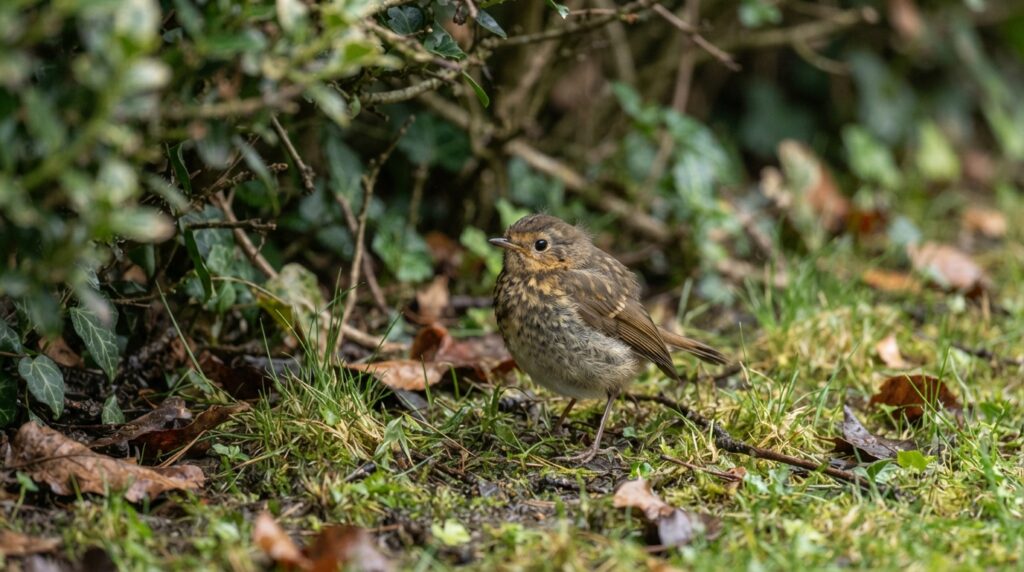
I’ve Found a Baby Bird — What Should I Do?
Most baby birds found on the ground do not need rescuing. If it has feathers and is hopping about, it’s a fledgling — that’s a normal stage, its parents are…
Most baby birds found on the ground do not need rescuing. If it has feathers and is hopping about, it’s a fledgling — that’s a normal stage, its parents are…
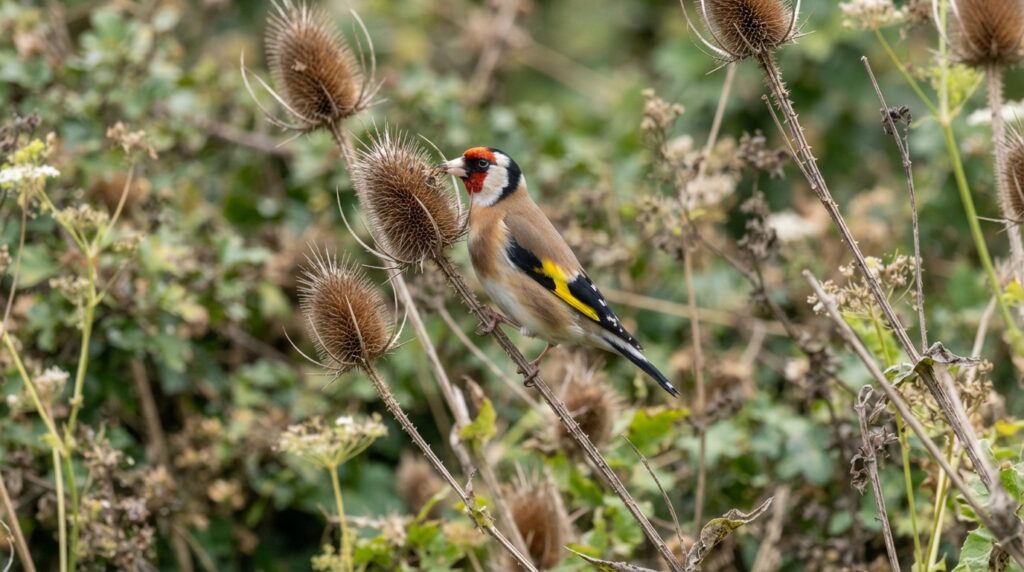
Two foods reliably bring goldfinches into a garden: nyjer seed and sunflower hearts. The catch is that nyjer needs a specialist feeder — the seed is so fine it pours…
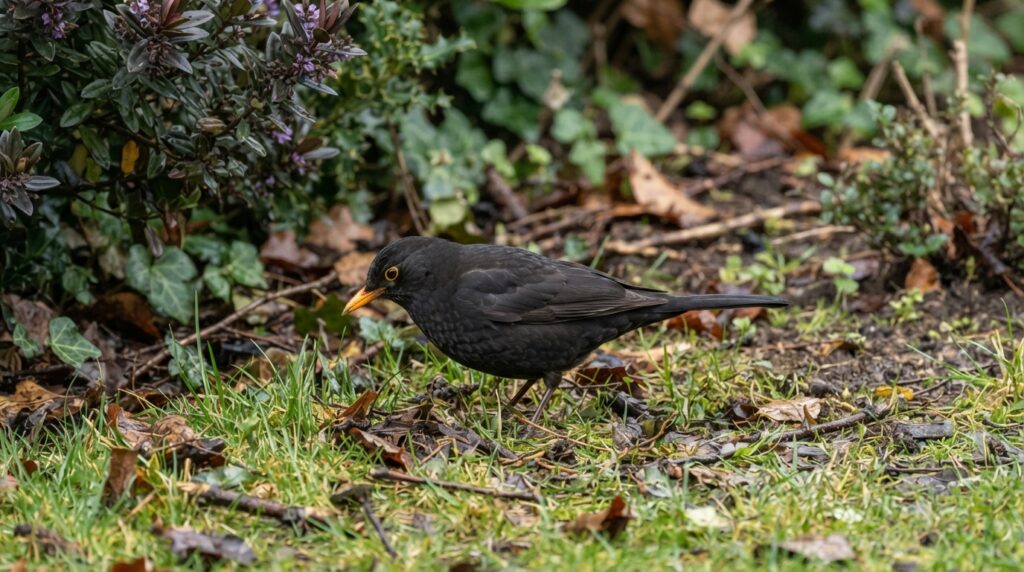
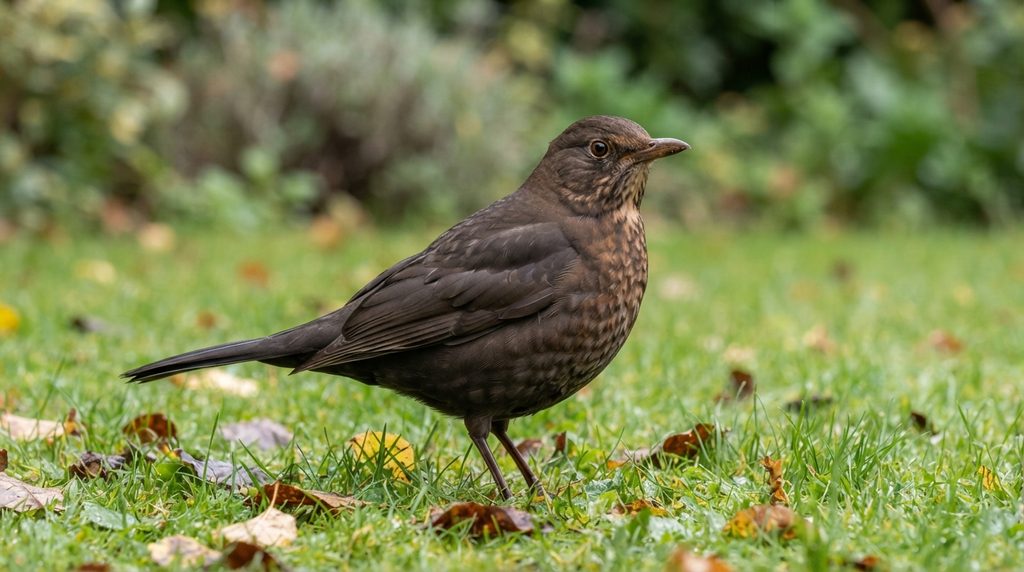
Blackbirds eat earthworms, insects, berries and windfall fruit. They’re ground feeders — which is why the feeder you hung up is being ignored by them, and why the answer to…
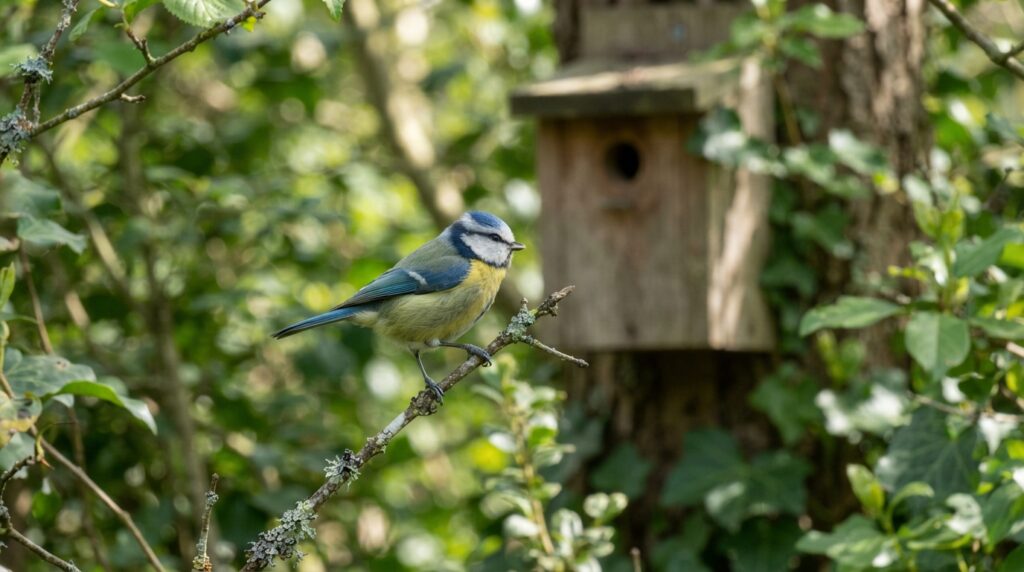
Blue tits are the second most commonly recorded bird in UK gardens, and among the easiest to attract. Put out sunflower hearts in a hanging tube feeder and you’ll usually…
Most small brown garden birds separate out on bill shape and behaviour, not colour. A thick conical bill in a noisy group is a house sparrow; a thin bill and…
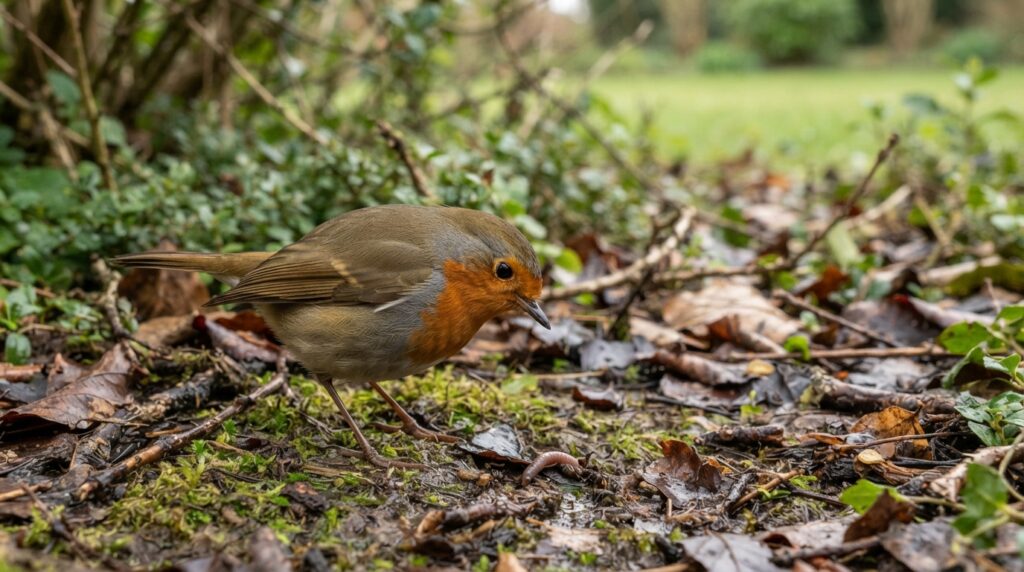
Robins eat insects, worms, spiders and other invertebrates for most of the year, switching to berries, fruit and seeds when insects are scarce in winter. If you want to feed…
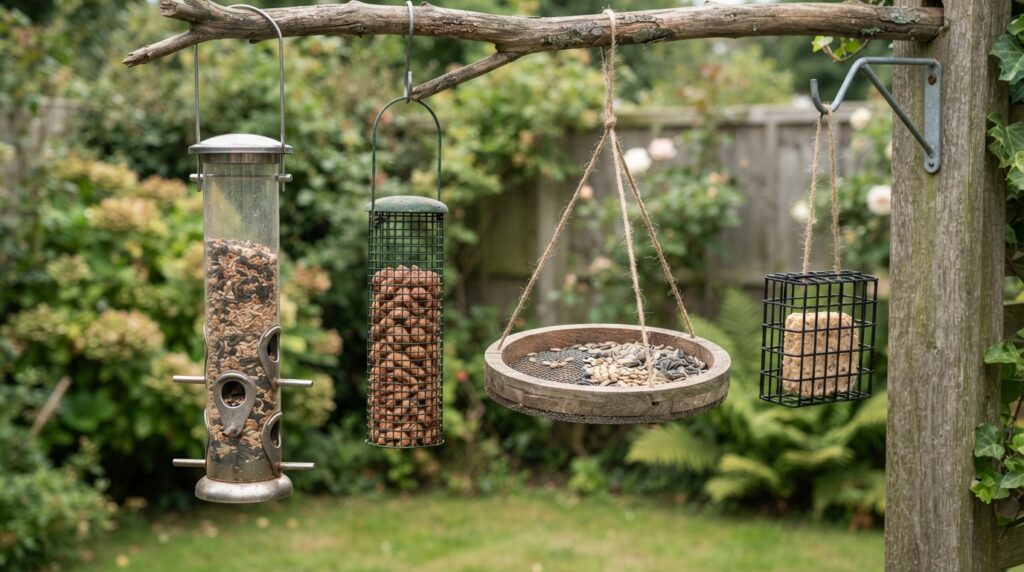
Buying a bird feeder used to be simple. It isn’t quite so simple now, because the advice changed in 2026 and several popular types are no longer recommended. This guide…
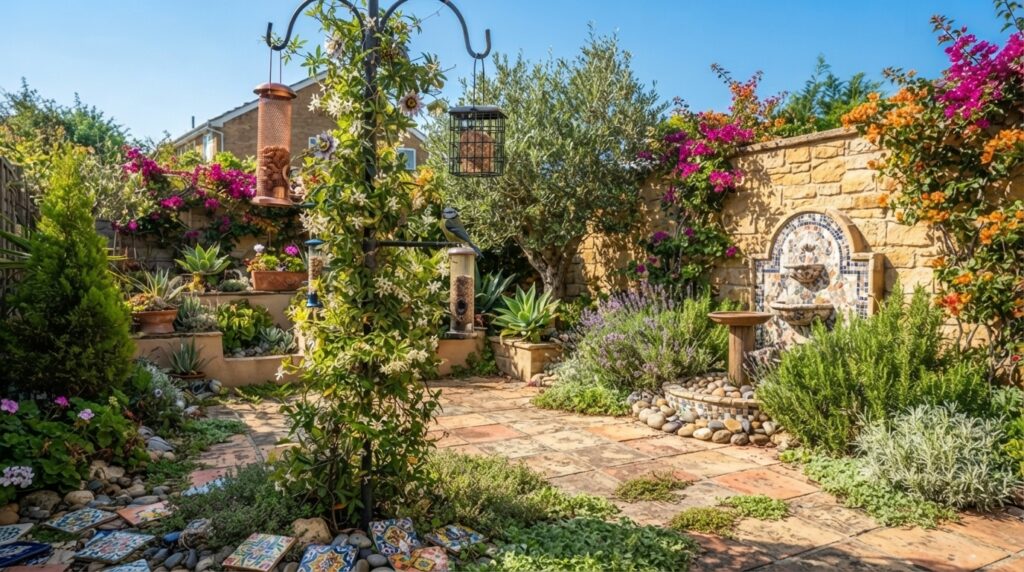
The twelve birds you’re most likely to see in a UK garden are the house sparrow, blue tit, starling, woodpigeon, blackbird, great tit, robin, goldfinch, magpie, long-tailed tit, chaffinch and…